
Panic attacks can strike out of nowhere and leave you shaking. If you’ve tried to calm them on your own and it hasn’t stuck, online therapy offers a steady, guided path forward. Below you’ll find the core facts, the benefits, and a clear view of what a first session looks like.
Understanding Panic Attacks and How Online Therapy Helps
Panic attacks are sudden spikes of fear that bring rapid heartbeat, shortness of breath, and a sense that something terrible is about to happen. They differ from everyday anxiety by their intensity and brevity. The medical definition can be read on Wikipedia, which notes that attacks often peak within minutes and then fade.
Research shows that Cognitive Behavioral Therapy (CBT) is the most reliable treatment for panic disorder. A study in theJournal of Anxiety Disordersfound that CBT reduces attack frequency by up to 60 % after 12 weeks of regular sessions. The same research highlights the value of exposure exercises that let you face feared situations in a safe, controlled way.
Online therapy translates these proven methods into a video or chat format. It removes the need to travel, cuts down on waiting room stress, and lets you practice coping tools in the environment where attacks happen. That real‑world context can make the learning stick faster.
For a deeper look at anxiety‑focused telehealth, see Taming the Anxious Mind: How Online Therapy Can Help You Manage Anxiety. It walks through the same CBT steps in a virtual setting.
MindShift Psychological Services , Complete Care for Panic Attacks
MindShift Psychological Services blends CBT, EMDR, and biofeedback into a single, therapist‑led program. Sessions last 45 minutes and can be booked as live video or in‑person at the Corona or Riverside offices. The practice tailors each track to a specific group , veterans, LGBTQ+ clients, teens, couples, and families , so the therapist can speak the language of the client’s lived experience.
Therapists at MindShift hold state licenses and use a HIPAA‑compliant platform that records no more than the session audio for safety purposes. They also offer a secure messaging option for brief check‑ins between appointments.
Because the service is statewide, you can start from any California zip code and still get the same evidence‑based care. The integration of biofeedback gives you real‑time data on heart rate and muscle tension, which the therapist can reference during exposure work.
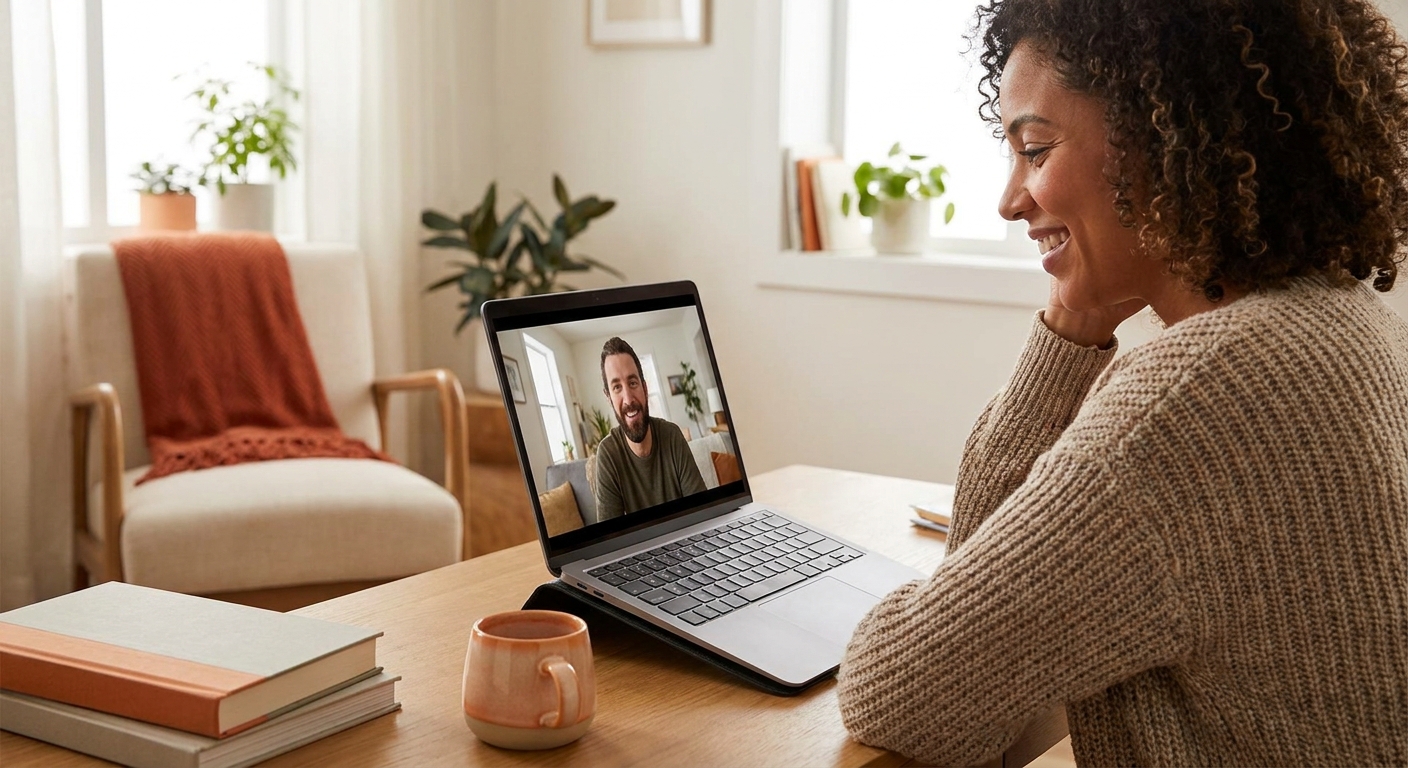
MindShift’s approach fills a gap most online platforms leave open: a single provider that offers both live video and in‑person options, plus a suite of specialized tracks. That makes it easier to stay consistent, even if you move or your needs change.
Key Benefits of Online Therapy for Panic Attacks
Convenience is the first win. You schedule a session from your phone, avoid traffic, and keep your privacy. For many, that alone reduces the anticipatory anxiety that can trigger an attack before you even step outside.
Second, the therapeutic environment is yours. You can sit on a couch, near a window, or even on a balcony if the weather suits you. That personal setting lets you practice breathing drills and grounding techniques right where you feel most comfortable.
Third, online platforms often include digital worksheets and homework that sync automatically with the therapist’s portal. You can complete a thought‑recording sheet after an episode and have the therapist review it before the next call.
Evidence backs these claims. A systematic review in the National Institutes of Health database concluded that remote CBT yields outcomes comparable to face‑to‑face care for panic disorder.
MindShift adds a fourth benefit: its biofeedback tools let you see physiological changes in real time. Watching your heart rate drop as you practice paced breathing reinforces the skill and builds confidence.
What to Expect in Your First Online Session
Your first call starts with a quick tech check. Make sure your camera works, you have a stable internet connection, and you’re in a private room where you won’t be interrupted.
After the tech check, the therapist greets you by name and explains the session’s structure. You’ll spend a few minutes sharing what brings you in, any recent attacks, and what you hope to achieve.
Next comes the assessment phase. The therapist may ask you to fill out a brief questionnaire about panic symptoms, medical history, and current stressors. This data helps shape a personalized treatment plan.
Once the plan is set, you’ll learn a core coping skill, often a paced breathing exercise or a grounding technique. The therapist will guide you through it live, watching your response via video.
By the end of the hour, you’ll have a clear homework assignment: perhaps a breathing log, a thought‑record sheet, or a short exposure task you’ll try before the next call.
That’s the basic flow. The next session builds on these tools, adding more exposure work and deeper cognitive work as you get comfortable.
Below is a short video that walks through a typical first‑session outline.
Tips for Success and Ongoing Support
Stick to a schedule. Regular weekly sessions keep momentum and let you practice new skills while the therapist can adjust the plan quickly.
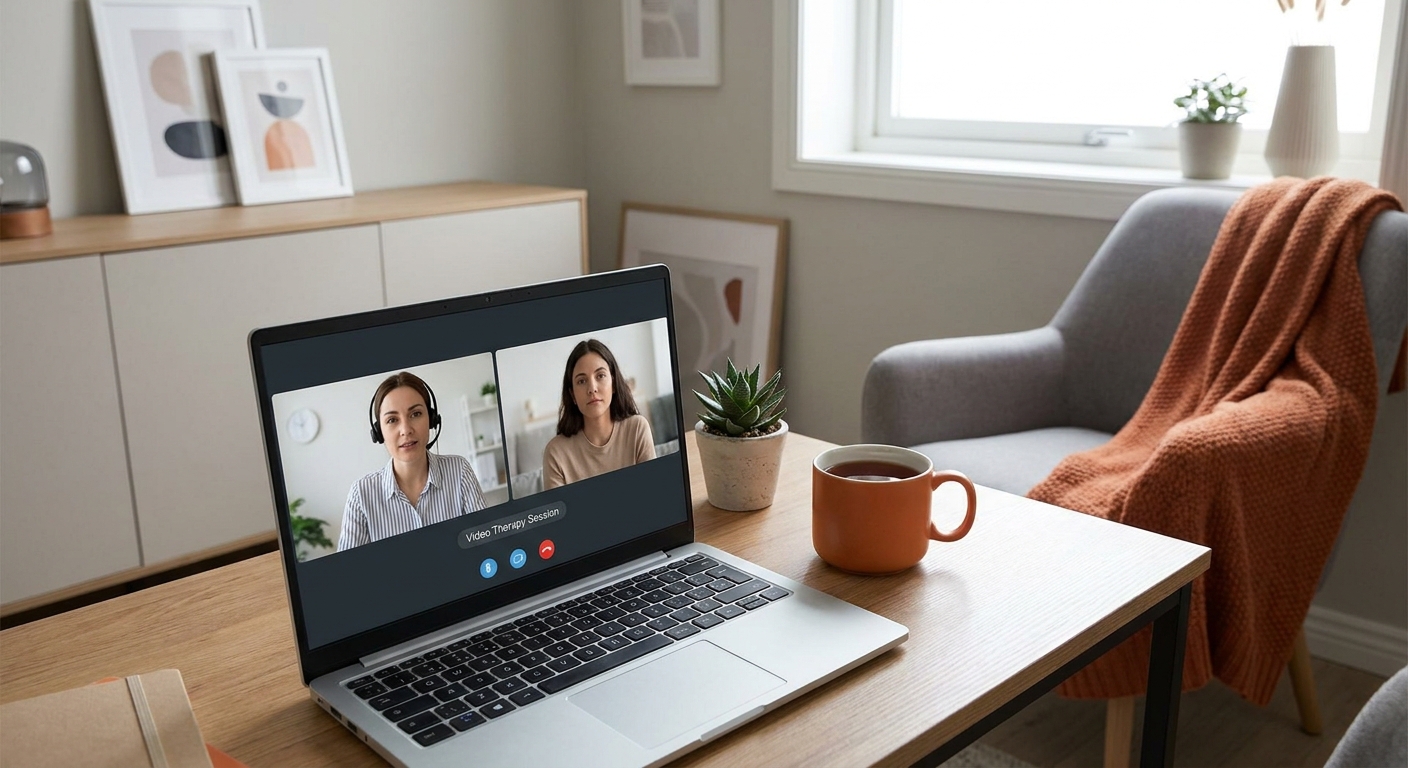
Use the therapist’s messaging feature for brief check‑ins. A quick text asking, “Did the breathing exercise help today?” can keep you accountable without waiting for the next appointment.
Track progress in a simple journal. Write down the date, what triggered the attack, what skill you used, and how you felt afterward. Over time the pattern becomes clear, and you can see improvement.
MindShift recommends pairing online CBT with its biofeedback module. The device measures heart‑rate variability, a marker of stress resilience. Seeing the numbers improve can motivate you to keep practicing.
For broader lifestyle support, read Effective Strategies for Managing Anxiety in the Digital Age. It offers tips on sleep, nutrition, and screen habits that complement therapy.
FAQ
Can online therapy replace in‑person care for panic attacks?
Yes, online therapy can be just as effective when it follows evidence‑based methods like CBT. Studies show comparable symptom reduction, and many people find the convenience reduces avoidance, a key factor in panic disorder.
How long does a typical online session last?
Most providers, including MindShift Psychological Services, schedule 45‑minute video appointments. This length allows enough time for assessment, skill practice, and homework planning without causing fatigue.
Do I need special equipment for biofeedback?
No, you only need a device that measures heart rate, such as a simple wearable or a fingertip sensor. MindShift supplies a low‑cost sensor that pairs with the telehealth platform.
Is my personal information safe during video sessions?
Yes. MindShift uses a HIPAA‑compliant video platform that encrypts all data. No recordings are stored unless you give explicit consent for review.
What if I have an attack during a session?
If an attack starts, the therapist will guide you through grounding and breathing steps in real time. The video setting lets you practice the technique in the exact space where you feel the panic, making the skill more effective.
Conclusion
Online therapy offers a usable, evidence‑based path to tame panic attacks, and MindShift Psychological Services provides the most complete blend of CBT, EMDR, and biofeedback in California. Start by booking a secure video session and take the first step toward calmer days.