
June 2 brings a simple but powerful tweak you can add to any therapy session. It helps clients break stuck patterns and notice small wins. Below you’ll get the full explanation, how to use it in practice, who gains the most, and concrete exercises you can start today.
Understanding the June 2 Therapy Tip
The June 2 tip asks clients to pause for a “micro‑shift” at the end of each session: name one thought, feeling, or behavior that felt a shade better than before. This tiny acknowledgement rewires the brain’s reward loop, making progress feel real even when change is slow.
Research on habit formation shows that brief, positive reflections boost dopamine release and improve motivation Wikipedia explains dopamine’s role in reward learning. In therapy, that means the client leaves with a clear, positive memory instead of a vague list of issues.
MindShift Psychological Services uses the tip as a standard closing ritual. The therapist asks, “What’s one thing that felt even a little bit lighter today?” The answer becomes a seed for the next session’s goal‑setting. Because the question is narrow, clients avoid over‑analysis and can answer quickly.
One limitation: the tip works best when the client can actually identify a shift. For someone in severe crisis, the therapist may need to first stabilize emotions before asking for a micro‑shift.
By turning abstract progress into a concrete statement, the tip cuts down on feelings of hopelessness that often creep in after long‑term therapy.
Want more ideas on staying steady between appointments? Check out 9 Tips for Down Days for everyday practices that keep momentum.
How to Apply the June 2 Tip in Your Sessions
Start each session with your usual agenda, review, explore, plan. When you near the closing minutes, shift the tone.
First, ask the client to think back over the last 45 minutes. Prompt them with, “What’s one thing that felt even a little bit better compared to the start?” Give them a moment to breathe and respond.
Next, write the micro‑shift on the whiteboard or in the session notes. Seeing it in black and white reinforces the brain’s visual memory.
Then, link that shift to a concrete next step. If the client noticed they felt less anxious about a phone call, the next session’s homework could be to make a short call and note any change.

After the client shares, acknowledge the effort. A simple, “That’s a solid step forward” validates the experience without over‑praising.
Finally, close with a brief recap: repeat the micro‑shift, state the next‑step goal, and remind the client of the upcoming appointment. By the end, they should feel a sense of closure and a clear path forward.
Benefits of the June 2 Tip for Different Client Groups
Adults dealing with anxiety often feel trapped in a loop of worry. The micro‑shift gives them a tangible proof point that something changed, even if it’s small. That proof fuels confidence to try exposure exercises.
Couples who struggle with communication can use the tip to highlight any moment of listening that felt a bit better. Over time, those moments stack, creating a new pattern of positive interaction.
Teens with depression benefit from the tip because it shifts focus from “nothing is improving” to “I noticed a tiny win.” That shift can counteract rumination, a key driver of teenage depression.
Trauma survivors in EMDR often experience intense emotional spikes. The tip helps them anchor a moment of calm, giving the therapist a safe point to return to after a difficult memory.
Veterans and LGBTQ+ clients may face stigma that clouds self‑esteem. Naming a micro‑shift, like feeling heard for a minute, creates a counter‑narrative to internalized negativity.
Telehealth users appreciate the visual cue on screen; seeing the micro‑shift written in the chat reinforces the habit even when the therapist isn’t in the same room.
MindShift Psychological Services tailors the micro‑shift to each client’s language, ensuring the wording feels natural and respectful.
For a broader look at virtual therapy options in California, see Virtual Psychotherapy CA: A Resource Guide. It outlines tech, privacy, and licensing details that support the tip’s remote use.
Usable Examples and Exercises
Example 1: Anxiety client reports a panic attack last week. In the current session, they note, “I was able to use my breathing exercise for two minutes without feeling dizzy.” That micro‑shift becomes the homework anchor for the next week.
Example 2: A couple identifies, “We both laughed when we talked about our weekend plans.” The therapist writes that down and asks them to repeat the laughter exercise at home.
Exercise: “Micro‑Shift Journal.” Ask clients to keep a small notebook. After each session, they write the one thing that felt a bit better and why. Review the entries monthly to see patterns.
Exercise: “Shift‑Swap.” In group therapy, members share their micro‑shift, then another member repeats it back in their own words. This reinforces listening and validates each person’s progress.
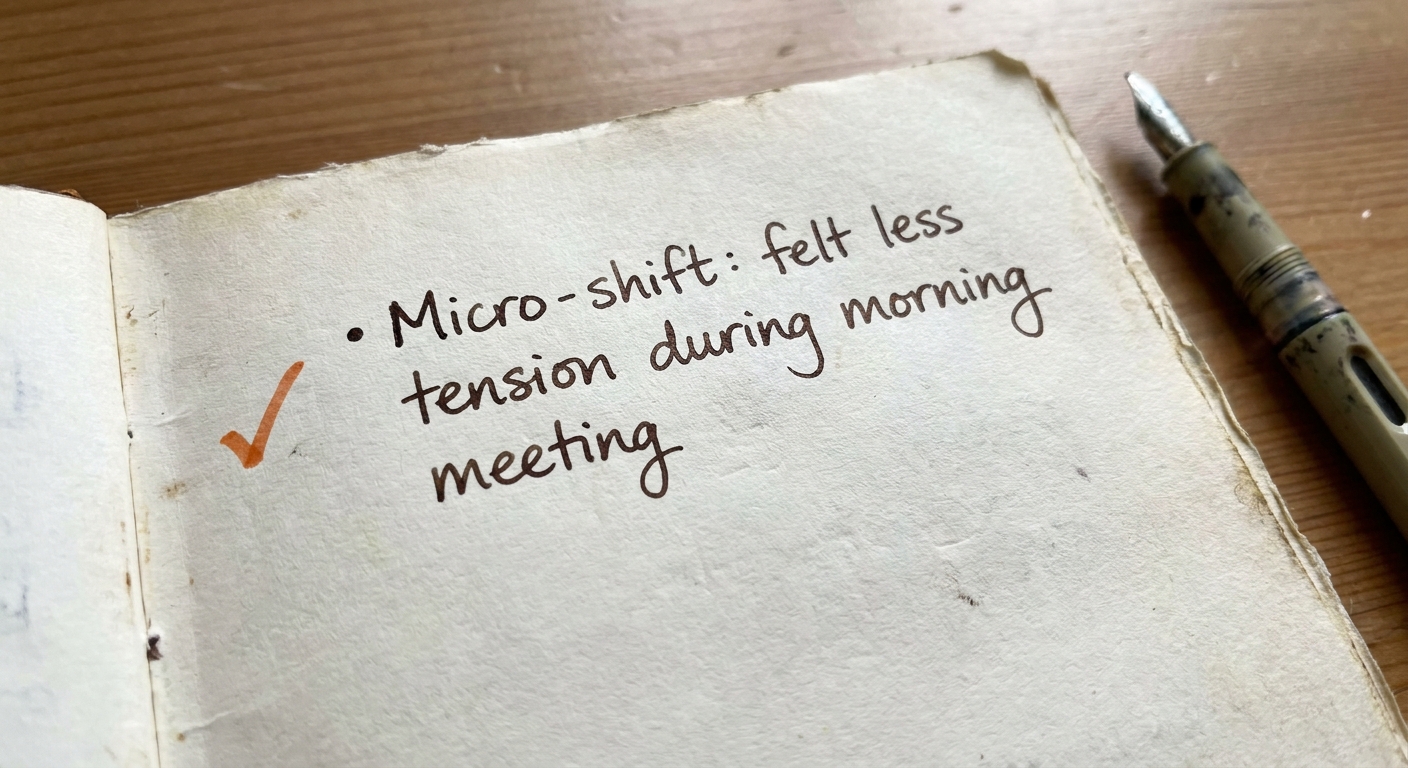
When the journal shows repeated themes, like “more confidence speaking up”, the therapist can build a larger goal around that theme.
Remember, the micro‑shift is not a rating scale. It’s a narrative snippet, which makes it easier for clients who dislike numbers.
FAQ
What exactly is the mindshift therapy tip for June 2?
The tip asks clients to name one thought, feeling, or behavior that felt even a little better during the session, turning vague progress into a concrete statement.
How long should a session be when using this tip?
MindShift Psychological Services typically runs 45‑minute sessions, which gives enough time for the tip without rushing the main work.
Can the tip be used in telehealth?
Yes, the micro‑shift works just as well on video calls; the therapist can type the shift in the chat or write it on a virtual whiteboard.
Is the tip suitable for severe depression?
For clients in deep crisis, the therapist may first focus on safety and stabilization before asking for a micro‑shift.
Do I need special training to use the tip?
No special certification is required; the tip is a conversational prompt that any licensed therapist can incorporate.
How often should I ask for a micro‑shift?
Every session works well, but you can also use it weekly in check‑ins if the client prefers a lighter schedule.
Ready to try the June 2 micro‑shift? Schedule a session with MindShift Psychological Services and add this simple habit to your therapeutic toolbox today.