
Fireworks and crowds can spike anxiety, especially for those who have trauma or panic triggers. Below are six focused tips you can start using right now to keep July 4 calm and safe.
Grounding Techniques (5‑4‑3‑2‑1 Method)
The 5‑4‑3‑2‑1 sensory grounding exercise anchors you in the present by naming five things you see, four you feel, three you hear, two you smell, and one you taste. It’s simple, portable, and works whether you’re inside a crowded park or at home.
People with PTSD or severe anxiety often report that the method reduces the surge of panic that fireworks can trigger. By shifting attention to concrete sensations, the brain gets a break from catastrophic thoughts.
Try it the next time a firework booms: look around and name five colors, feel the ground beneath your feet, listen for distant cheers, notice the scent of summer grass, and sip a cold drink. The exercise buys you a few seconds to breathe and choose how to respond.
One limitation: the technique relies on a quiet enough environment to notice subtle sensations. In extremely loud settings, pair it with earplugs or headphones.
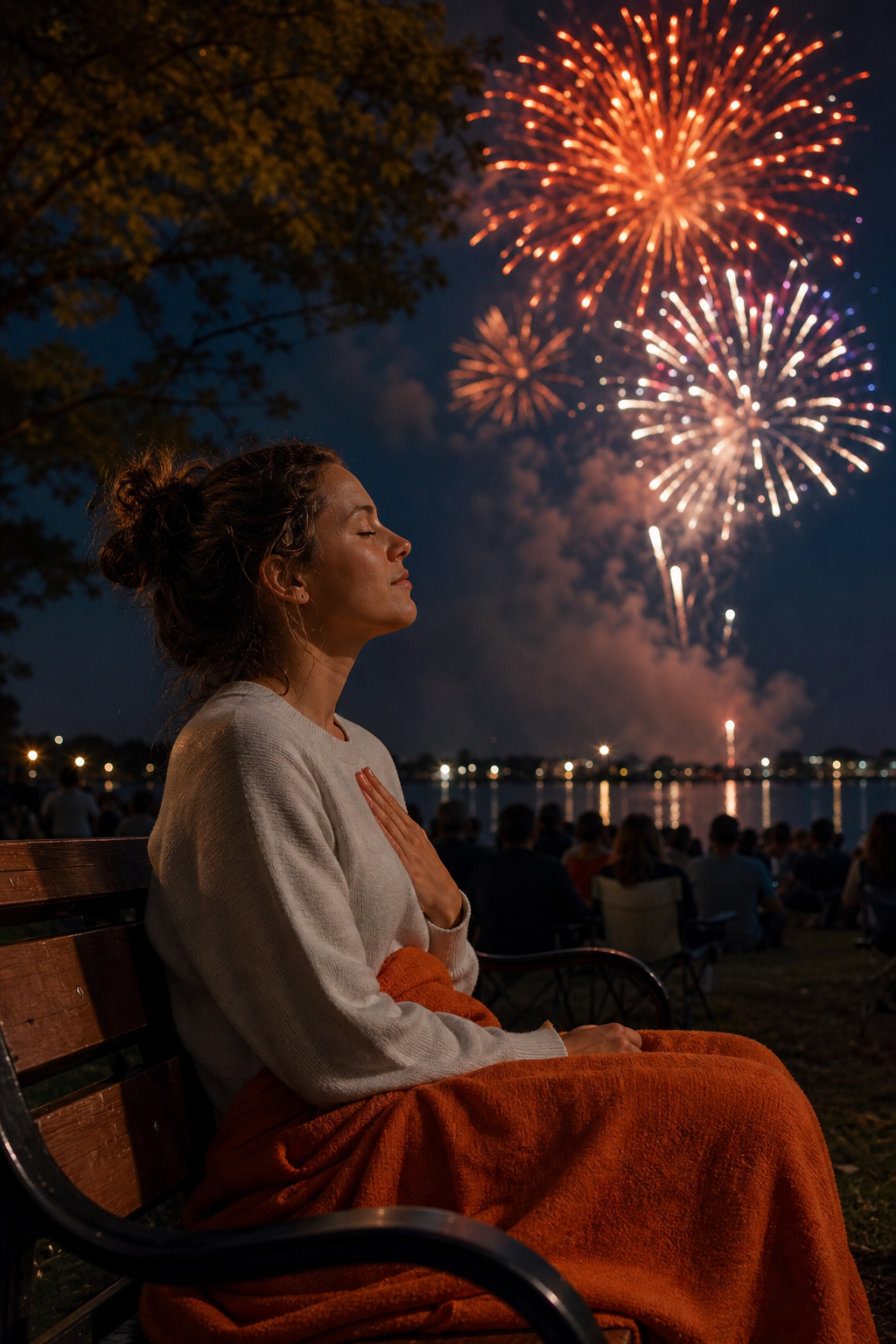
CBT Strategies for Real‑Time Anxiety Management
Cognitive Behavioral Therapy (CBT) offers tools you can use in the moment, like thought‑stopping and cognitive restructuring. When a firecracker startles you, notice the automatic thought and replace it with a realistic counter.
Thought‑stopping involves a gentle verbal cue, such as saying “stop” aloud or visualizing a red stop sign. This interrupts the anxiety loop and creates space for a healthier thought.
CBT also teaches you to test the evidence behind your fears, often revealing no concrete proof, which reduces the emotional charge.
Remember: CBT works best with practice. A therapist can guide you through role‑plays before the holiday so the skills feel natural on the day.
Creating a Safe Space at Home for Fireworks
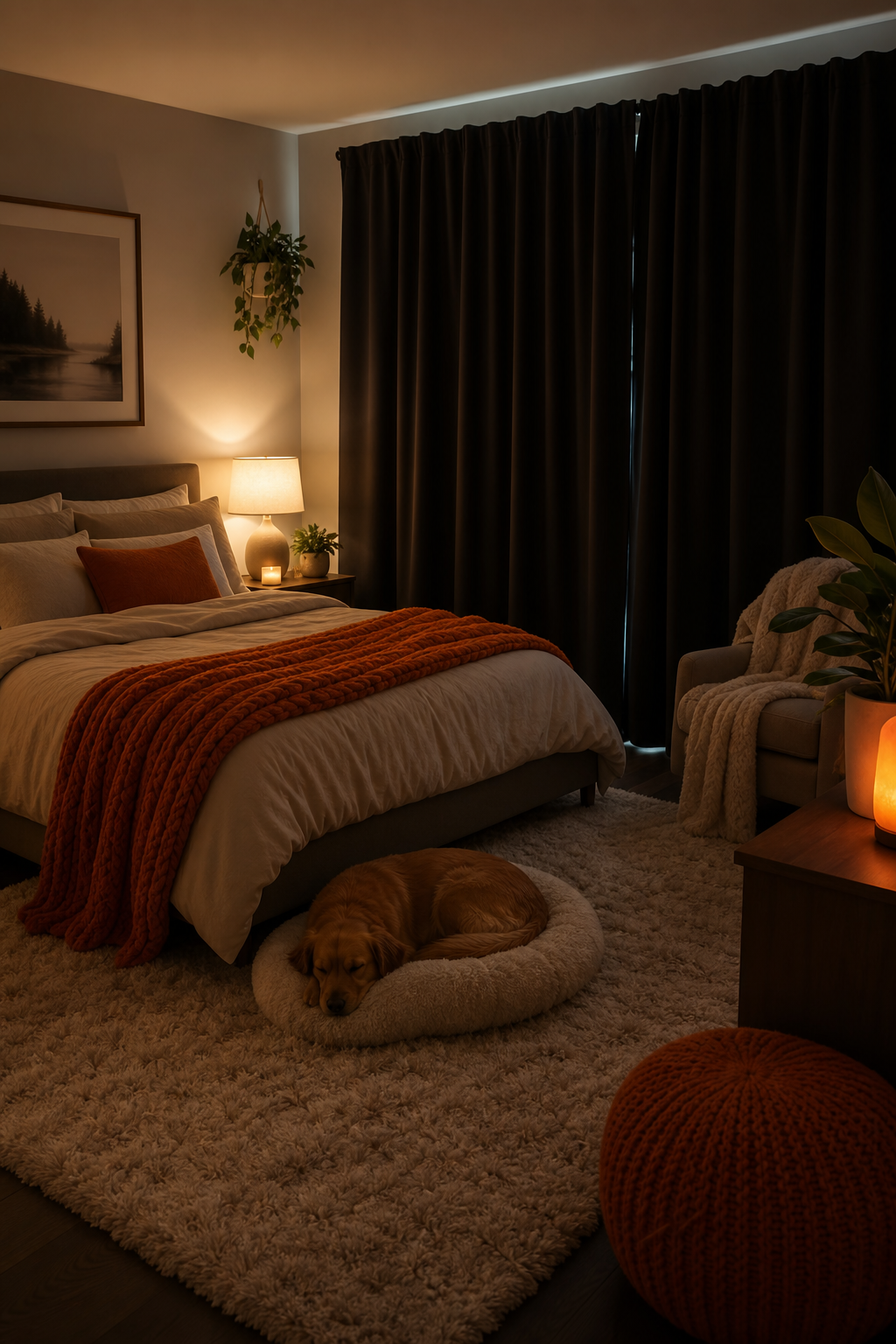
A quiet room insulated from sound can be a lifesaver for anyone who flinches at loud noises. Choose a space with thick walls, add blackout curtains, and place a rug to dampen vibrations.
Stock the room with calming items, books, soft furnishings, a white‑noise machine, or soothing music. The goal is to give the nervous system a refuge where it can reset.
Make the space easy to reach. If you’re in the living room when fireworks start, have a clear path to the safe room and keep a small bag with your grounding tools ready.
One caveat: the room should feel inviting, not like a “panic bunker.” Use warm lighting and personal touches so you actually want to go there.
Developing an Exit Strategy and Support Plan
Knowing how to leave a stressful situation gives you control before anxiety spikes. Identify the nearest exits in any venue you plan to attend, whether a park, a friend’s house, or a public event.
Agree on a discreet signal with a trusted companion, like tapping a wristband or sending a quick text, so they know when you need to step out.
Write a brief support plan that lists: who you can call, coping tools you’ll bring, and a safe route home. Having this script reduces the mental load during the holiday.
MindShift Psychological Services can help you flesh out this plan in a short tele‑health session, ensuring it matches your personal triggers and lifestyle.
Engaging Calming Activities and Distraction Techniques
Keeping the mind busy with pleasant tasks can drown out the sudden bangs of fireworks. Options include watching a favorite movie, playing a simple game, or doing a short craft project.
Research shows that focused activities lower the physiological arousal that loud noises provoke. Choose something you can start quickly, like a puzzle or a guided breathing exercise.
If you’re with family, set up a backyard scavenger hunt that runs while fireworks are overhead. The hunt gives everyone a purpose and shifts attention away from the noise.
MindShift Psychological Services offers guided relaxation recordings that pair well with these activities, making the experience smooth.
FAQ
Can I use the 5‑4‑3‑2‑1 method without a therapist?
Yes, the grounding exercise is self‑guided and works for most people; you just need a quiet moment to run through the five senses.
What if fireworks are too loud even with earplugs?
Combine earplugs with a white‑noise app or soothing music; the layered sound reduction often makes the boom tolerable.
How soon should I start practicing CBT techniques before July 4?
Begin at least two weeks ahead; regular practice builds the neural pathways that let you interrupt anxiety quickly on the day.
Is a safe room necessary for everyone?
No, but anyone with a history of trauma or heightened startle response benefits from a dedicated quiet space.
What if I can’t find a trusted companion for support?
Consider joining a short‑term group session at MindShift Psychological Services where peers share coping plans and hold each other accountable.
Do the tips apply if I’m celebrating alone?
Absolutely, grounding, CBT, and calming activities work just as well solo; you can use phone‑based support lines if you need a voice.
Conclusion
Start with the 5‑4‑3‑2‑1 grounding exercise, set up a quiet retreat, and have an exit plan ready. If you’d like a personalized safety plan, schedule a tele‑health session with MindShift Psychological Services today.